
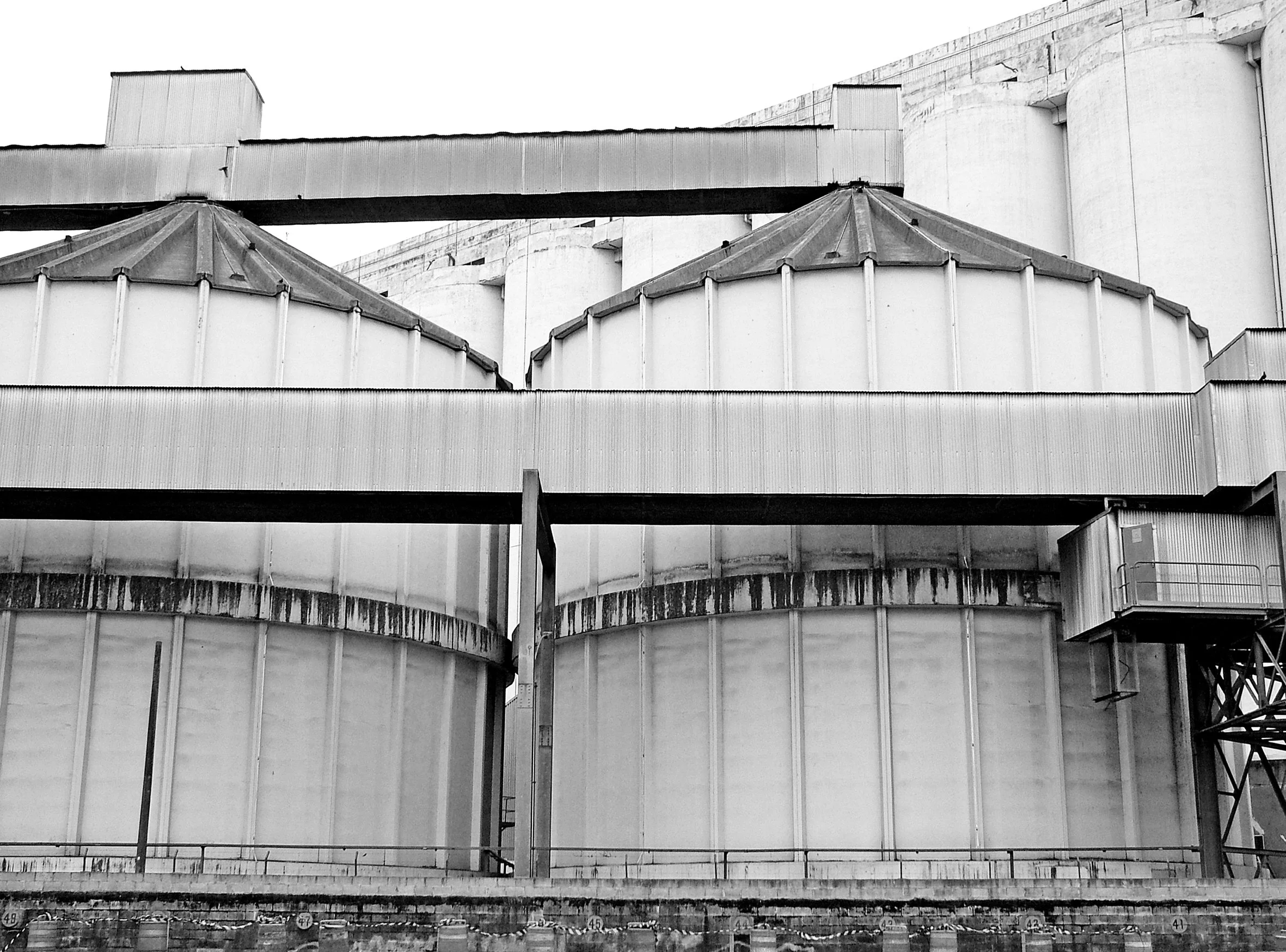
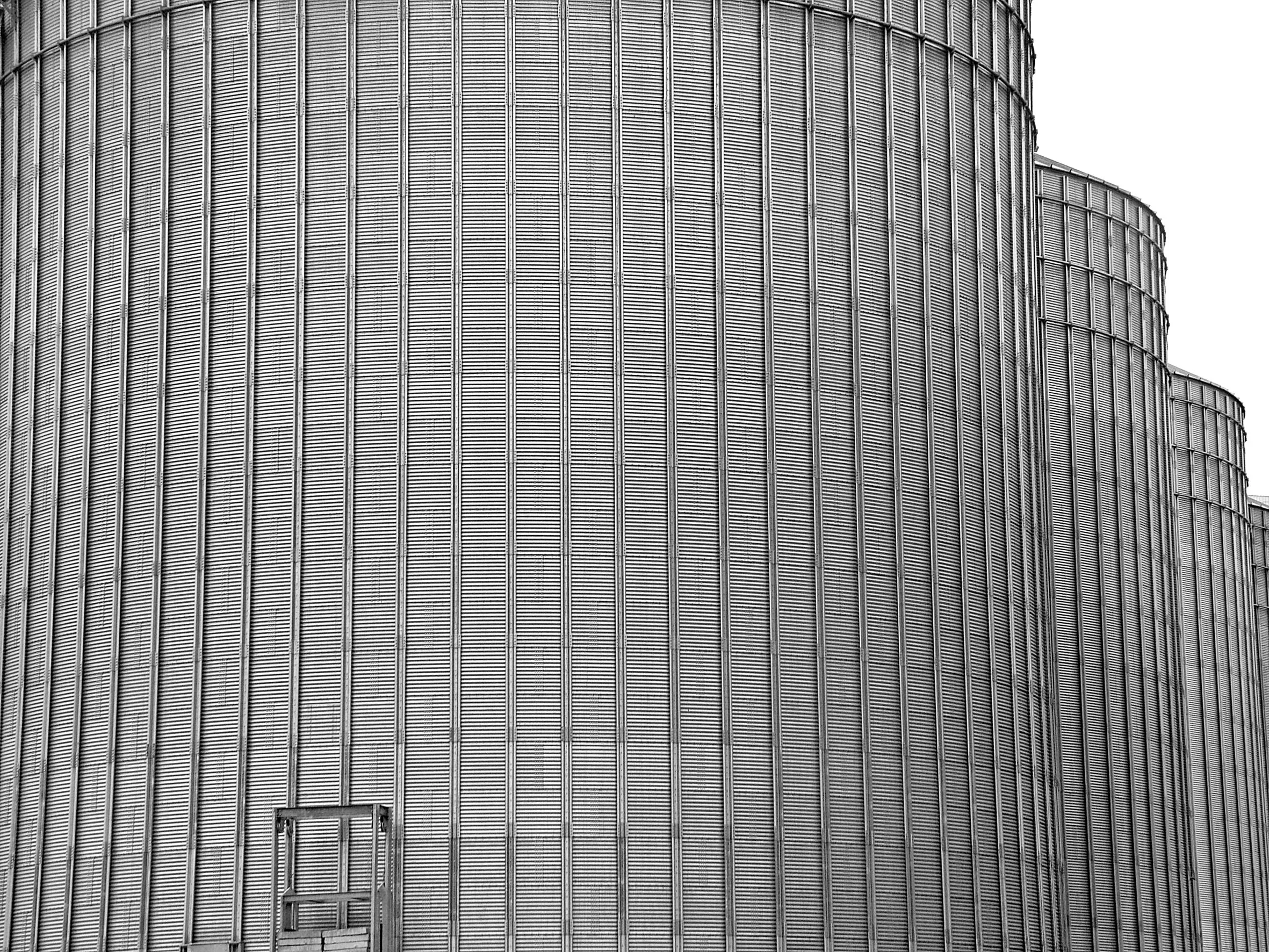
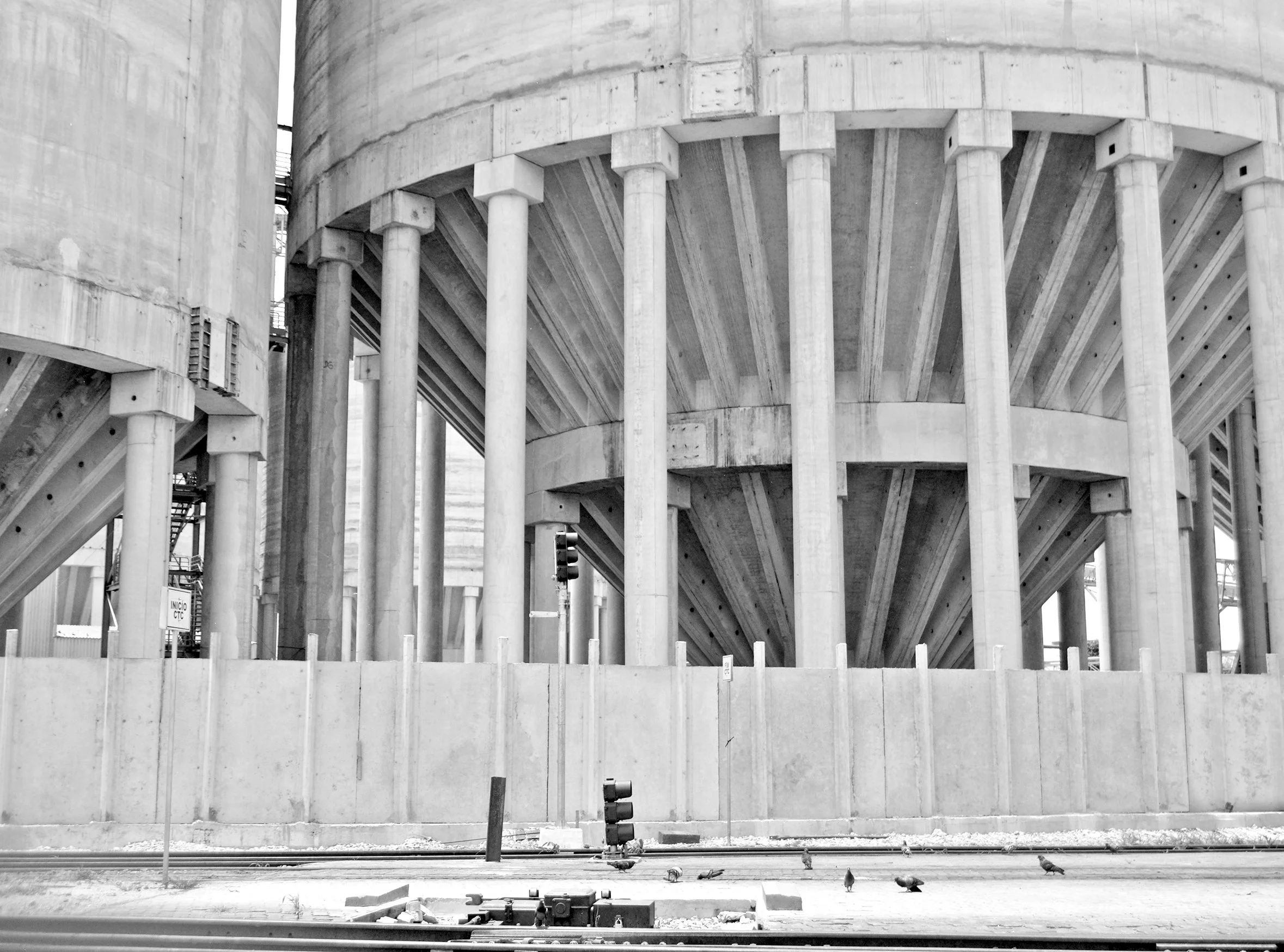

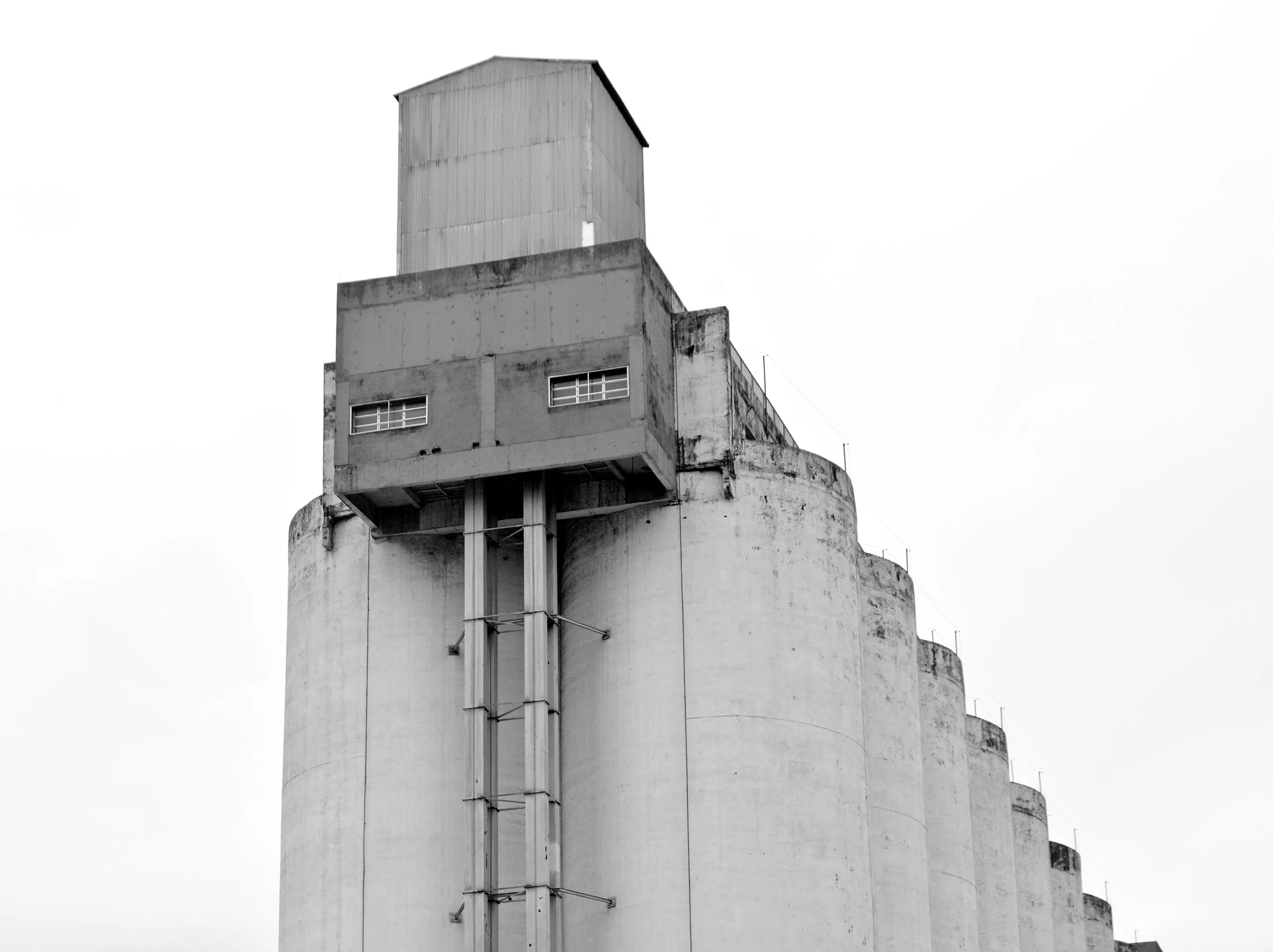
If like me you were an architecture student in the 1970s then you can probably still hear the modernist shibboleth, “form follows function,” that used to reverberate in the design studio like a holy mantra. Born of the early twentieth century desire to liberate architecture from the excesses of nineteenth century eclecticism and neo-classicism, the slogan encapsulated the search for a new architectural language rooted in utility and modern technology. More of an ideological aspiration than anything else, famously fetishised in the machine drawings of the Italian Futurist Antonio Sant’Elia and the Russian Constructivist Jakob Chernikhov, the one place where the equation really made sense was in the scandalously neglected history of industrial architecture. This is the world of factories, turbine halls, silos, pitheads, power stations, steel plants and shipyards. Of structural gymnastics, raw mechanics, massive volumes, and the elemental geometry of cylinders, spheres, and cubes. It is an architecture that in Britain has struggled to survive the combined effects of deindustrialisation, real estate speculation, prejudice and the desperation of regions and cities to reinvent themselves as post-industrial tourist and retail hubs. As if embarrassed by its working-class history, the former industrial powerhouse of Glasgow is a case in point and has all but eradicated its extraordinarily rich heritage of industrial buildings. The tragedy, is that with a little bit of imagination, many of the now demolished buildings could have enjoyed a new lease of life as has the infrastructure of the steel and coal industry in Germany’s Ruhr valley, transformed into a linear park.[1] The photos are from a recent cycle trip through the still working port area of Santos, a fifteen-kilometre exhibition of engineering prowess and an unashamed celebration of functionalist architecture.
[1] For a number of years I ran a studio in the school of architecture in Glasgow called Spaces of Labour that investigated the architecture of work, not just through a nostalgic lens of what had been lost, but to speculate on what new kinds of productive landscapes we could imagine in a twenty first century green economy that draws on Scotland’s abundant energy and natural resources. It is an unfinished project. An introductory essay Landscapes of Production (2009) can be downloaded from my website www.jonathancharley.com. Link at top of page.