Solidarity and Resistance
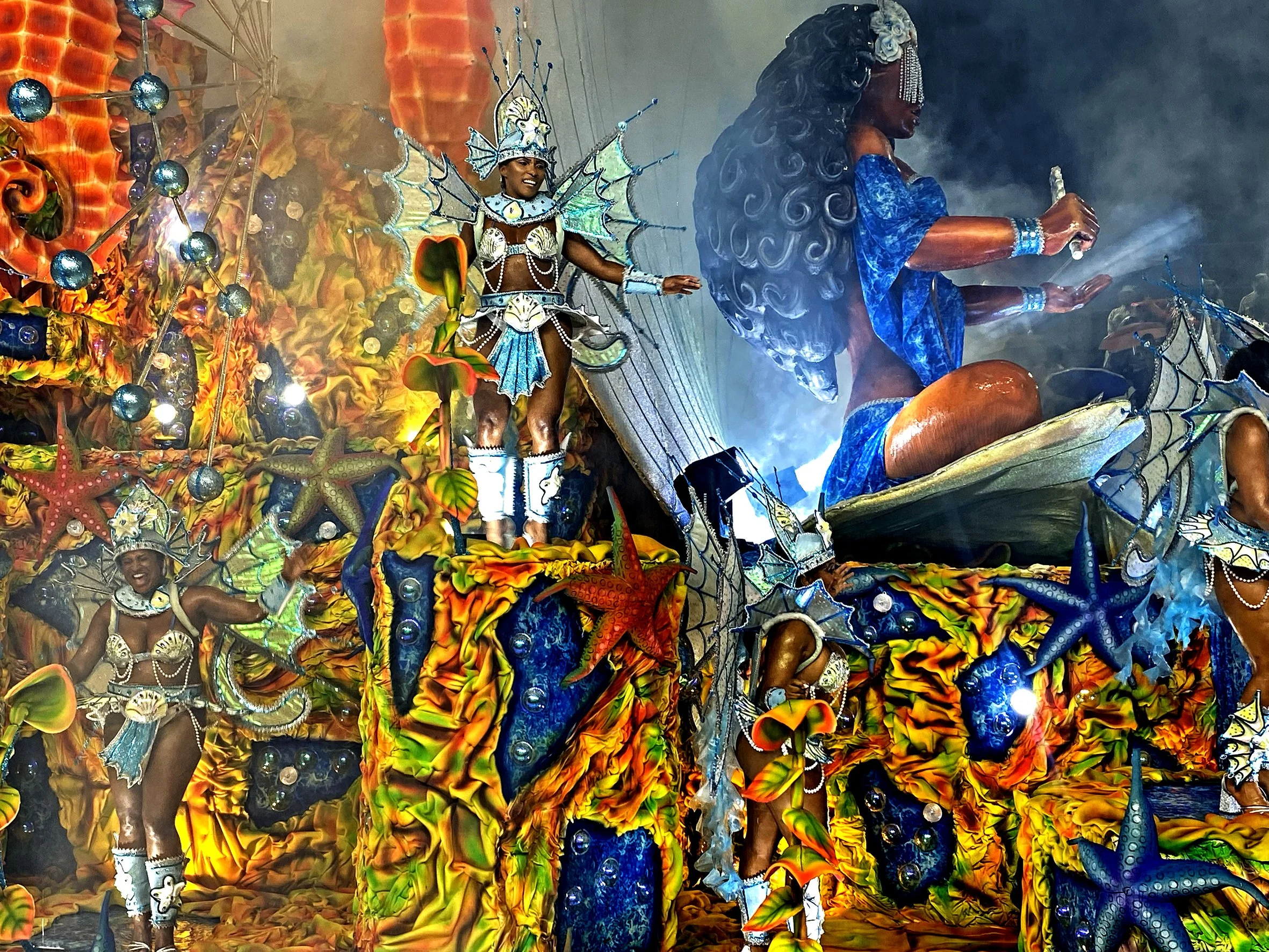
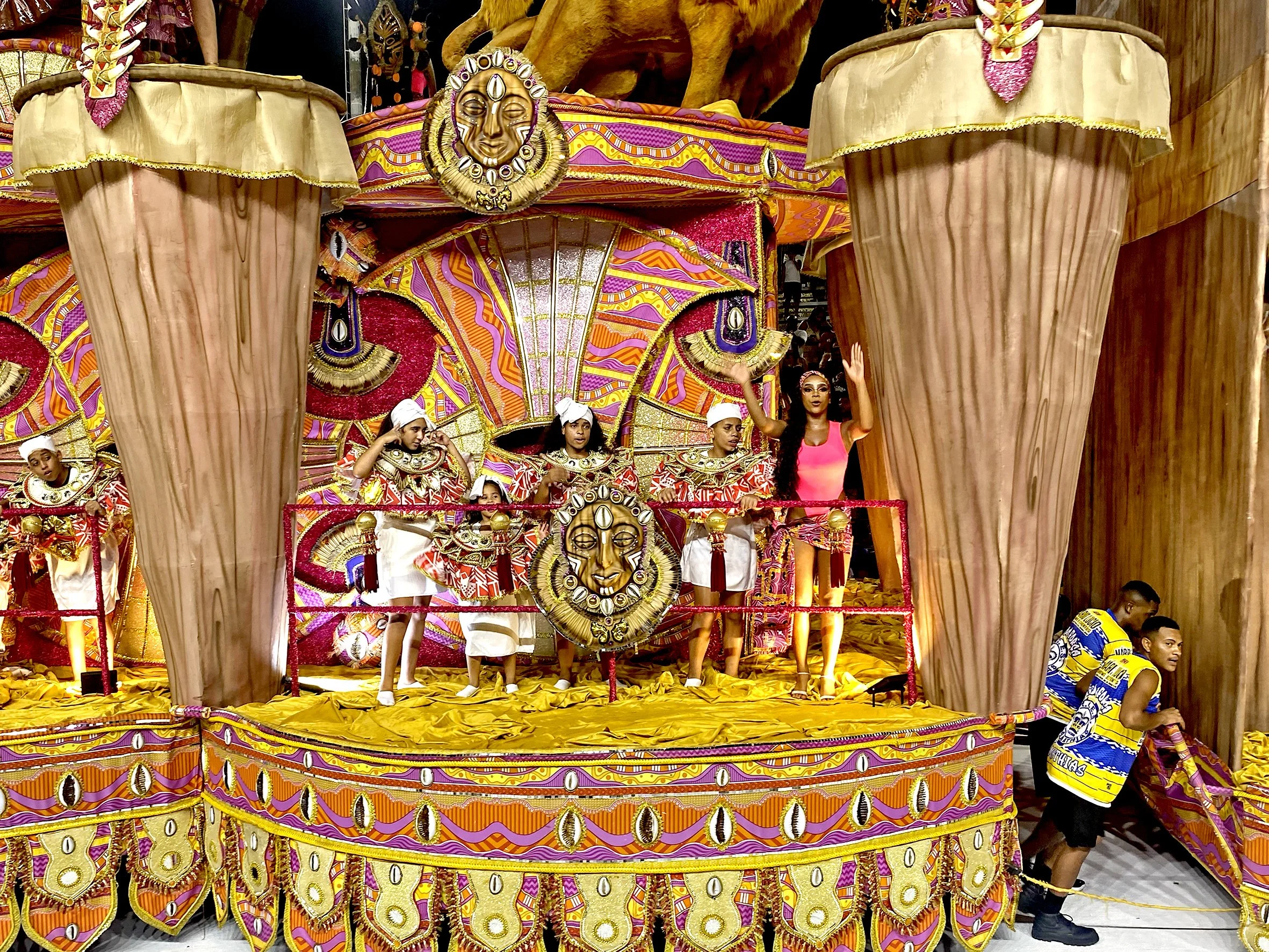
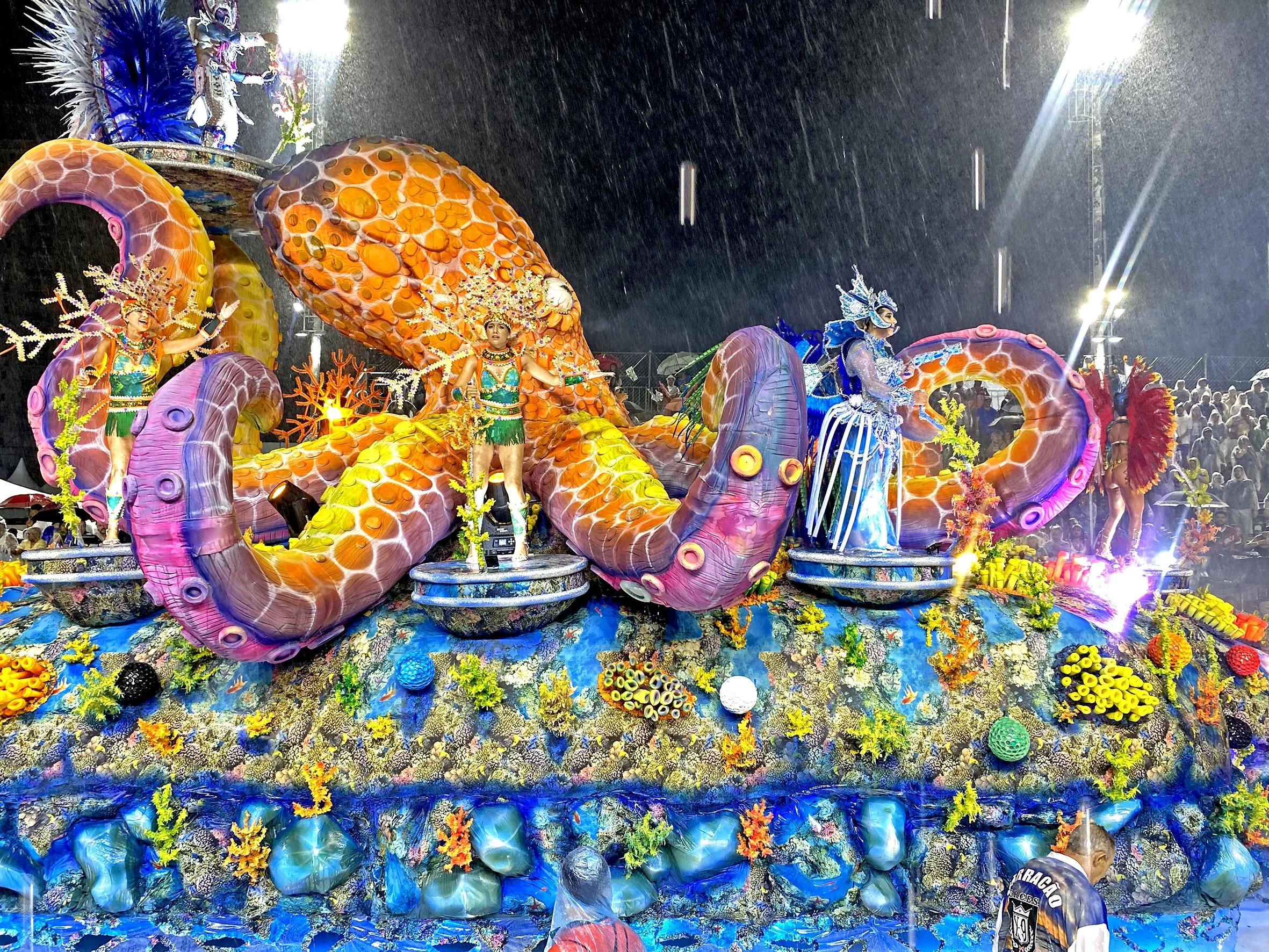
It’s midsummer in the middle of February and the festival of resistance that defines the real spirit of carnival is in full swing. When hardly a day passes without headline news of another hate fuelled atrocity, to spend two days immersed in iridescent colour, explosive samba, and expressions of solidarity, is a reminder that all is not lost. Carnival restores faith in our common humanity and is a bulwark against those who perpetrate the politics of intolerance and division. The siren blares, the pyrotechnics begin, and in a blaze of kinetic energy, the costumed dancers and drum baterias of the different schools of samba rhythmically sway down the sambódromo, the brightly lit avenue built for carnival parades. The tribal competitiveness is fierce as they do battle to catch the judges’ attention. It is chucking it down, but the monsoon weather does little to dampen the enthusiasm of both spectators and participants. Emblazoned with the slogan, “Against State Terrorism,” the voluminous white dresses of the Maes de Maio swirl past. Behind them trundles a float that supports a giant open book and a manifesto that reads; “health, education, employment, dignity, housing, family.” As in previous years the struggle against racism and for the rights of indigenous peoples is a common theme amongst the schools. So is the celebration of diverse identities and the ongoing battle to recognise the African roots of so much Brazilian culture. Rebellious, sensual, and creative, carnival is not just a party it is a stage on which to narrate the seldom told stories of the marginalised and oppressed.