Theme Park Architecture
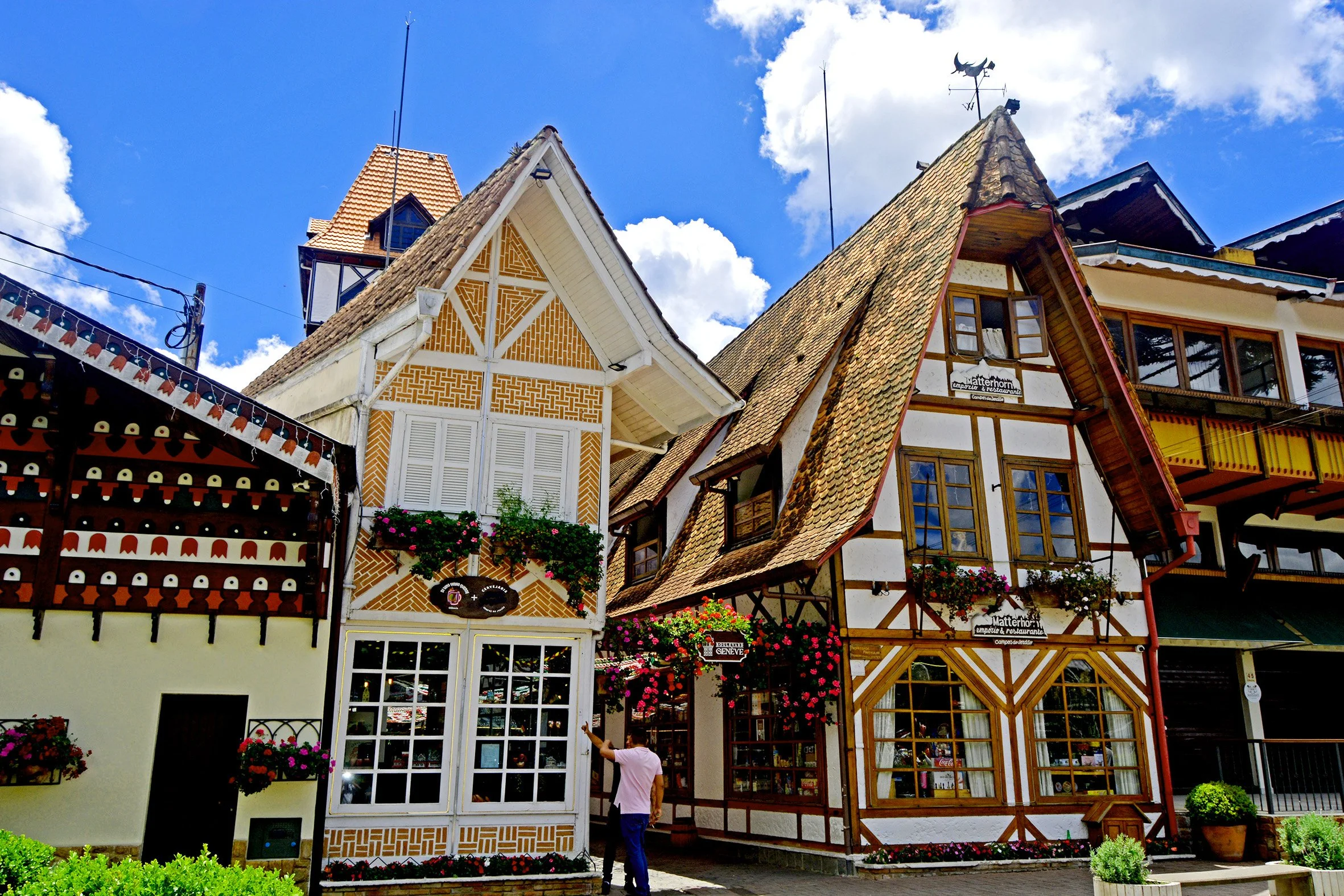
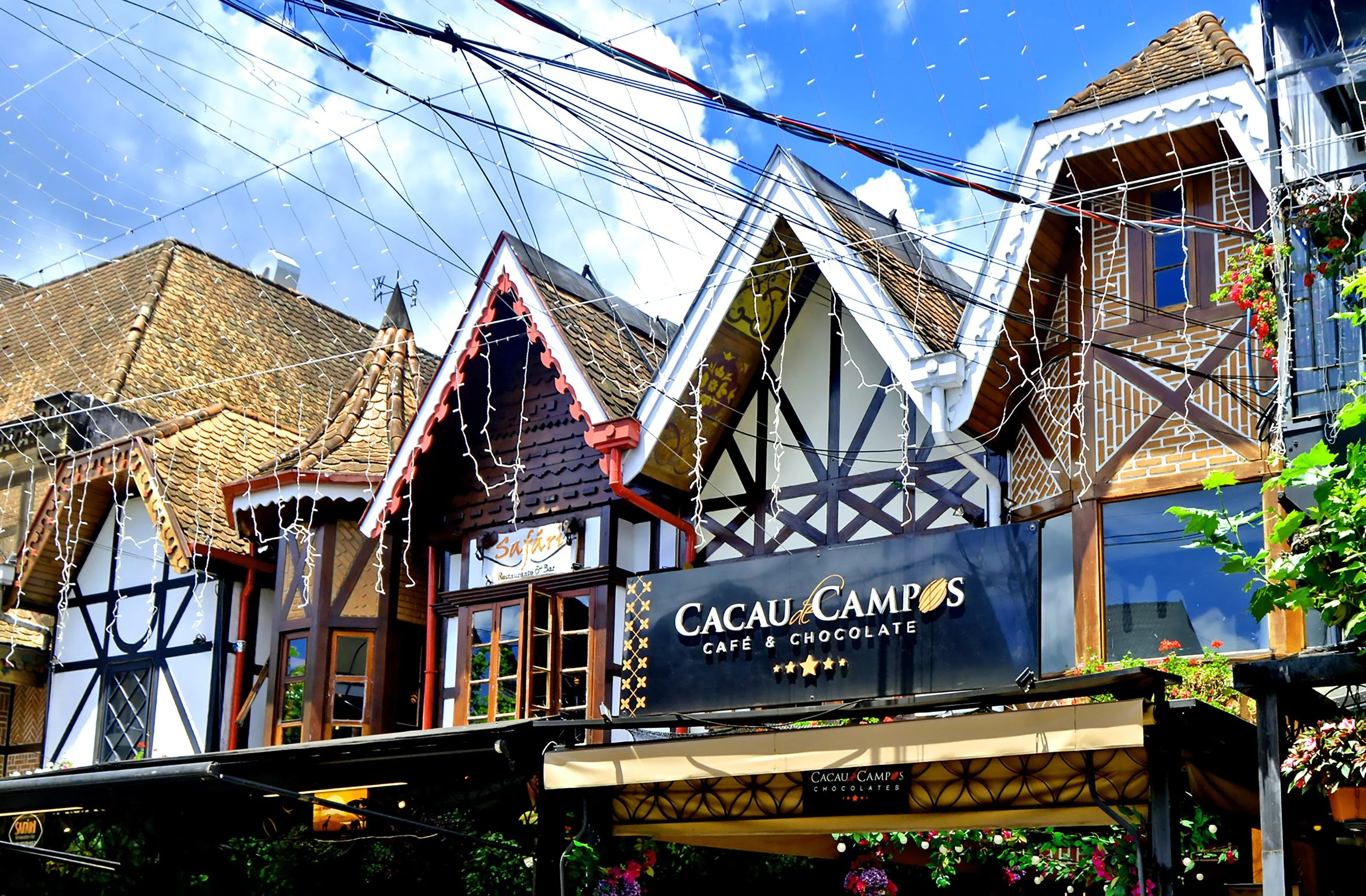
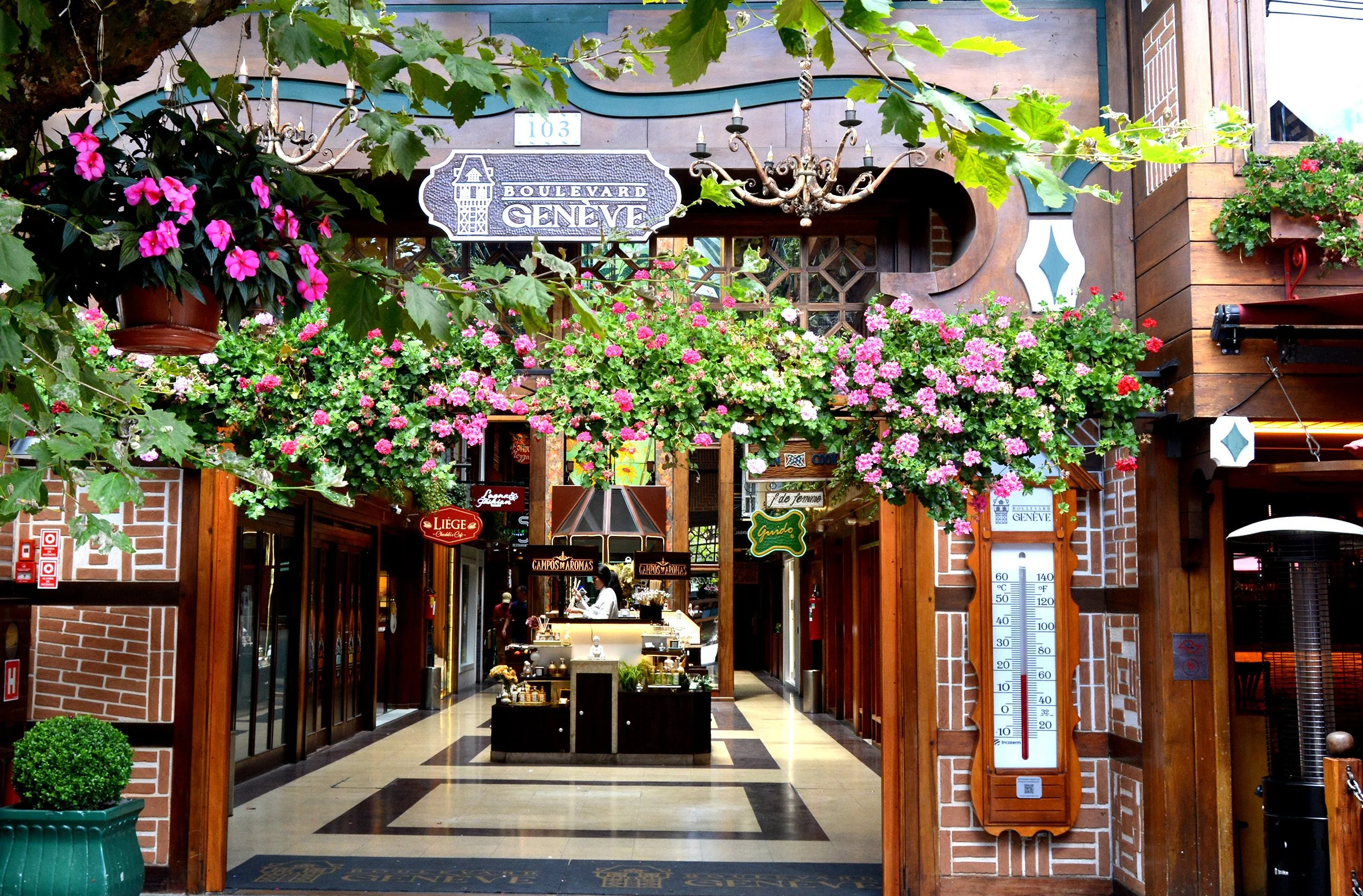
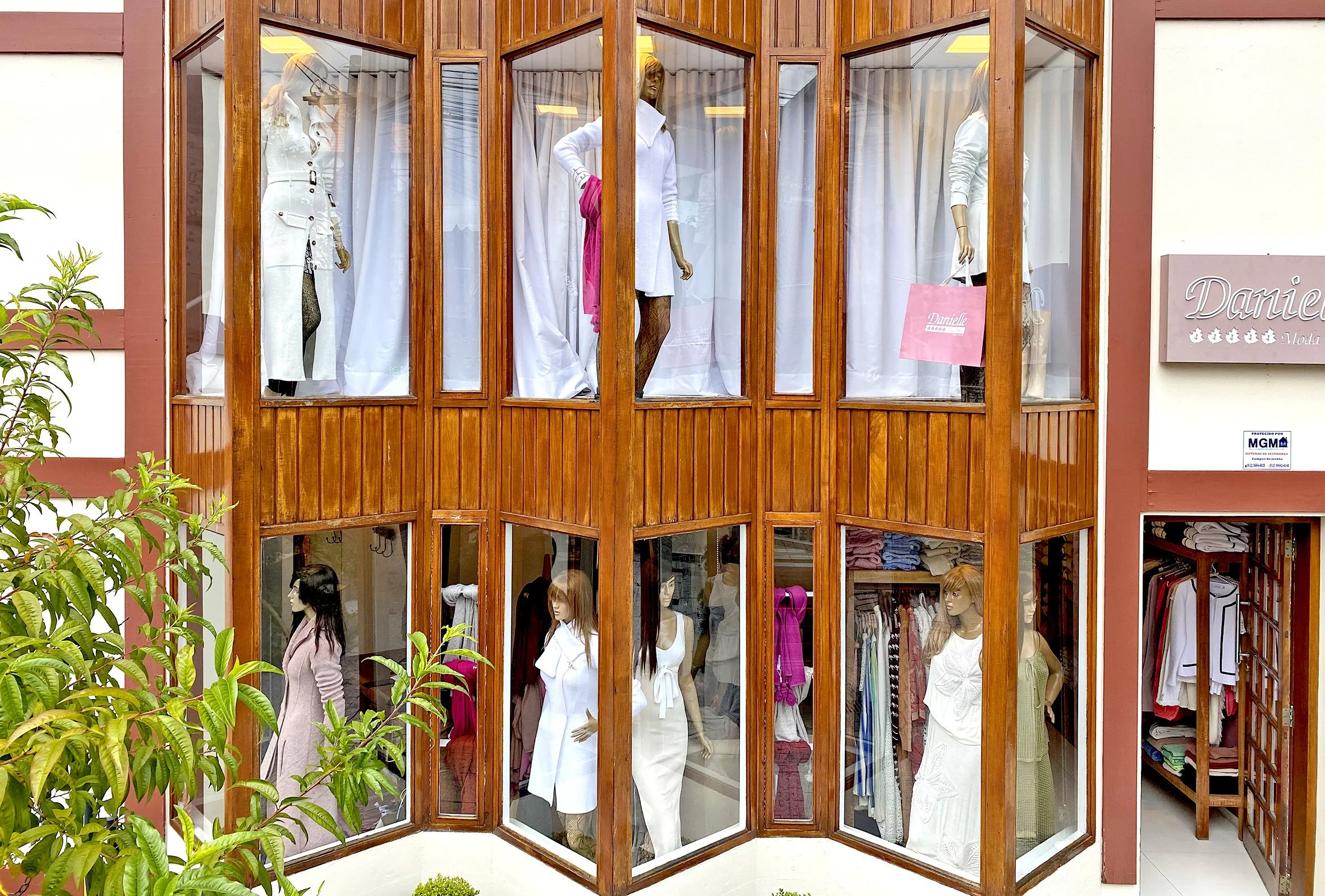
I am a huge fan of epic sprawling novels such as Dostoevsky’s Brothers Karamazov and Naguib Mahfouz’s Cairo Trilogy. Another favourite is Thomas Mann’s The Magic Mountain that narrates the tale of the unfortunate Hans Castorp. Suffering from a chest infection he visits a mountain sanitorium, is diagnosed with incipient tuberculosis, and is subsequently interned for seven years. Amidst the mountainous splendour of the Serra da Mantiqueira sits the strange little town of Campos de Jordao. Nicknamed the “Switzerland of Brasil,” it too was once a sanctuary for those suffering from pulmonary diseases. Its chief function these days is as a tourist destination for those seeking a taste of a European alpine winter. There are no snowy peaks, but at an altitude of 1600 metres above sea level, the nighttime temperature in July can drop to zero. To complete the facsimile, the town centre is built in a bizarre assemblage of Bavarian, Swiss and Austrian architectural cliches, surrounded by houses with characteristic steep pitched roofs as if an arctic snowstorm is about to arrive. It is an illusion reinforced by fondu bars, chocolate shops, boutiques selling chic winter coats and even an ice museum. However, Campos de Jordao isn’t a Tivoli Gardens theme park or Disneyland spectacle, it is an inhabited town where eighty-five percent of the population is of white European descent, seemingly happy to live in a cartoon fantasy of a place that doesn’t exist. Absurd it may be, but in the epoch of dubious certainties and manufactured realities, consumers and real estate agents really couldn’t care less about questions of authenticity, especially when the selling of myth is so lucrative and the coffee and chocolate, native of course to Brasil, tastes so good.