Bolsonaro Behind Bars
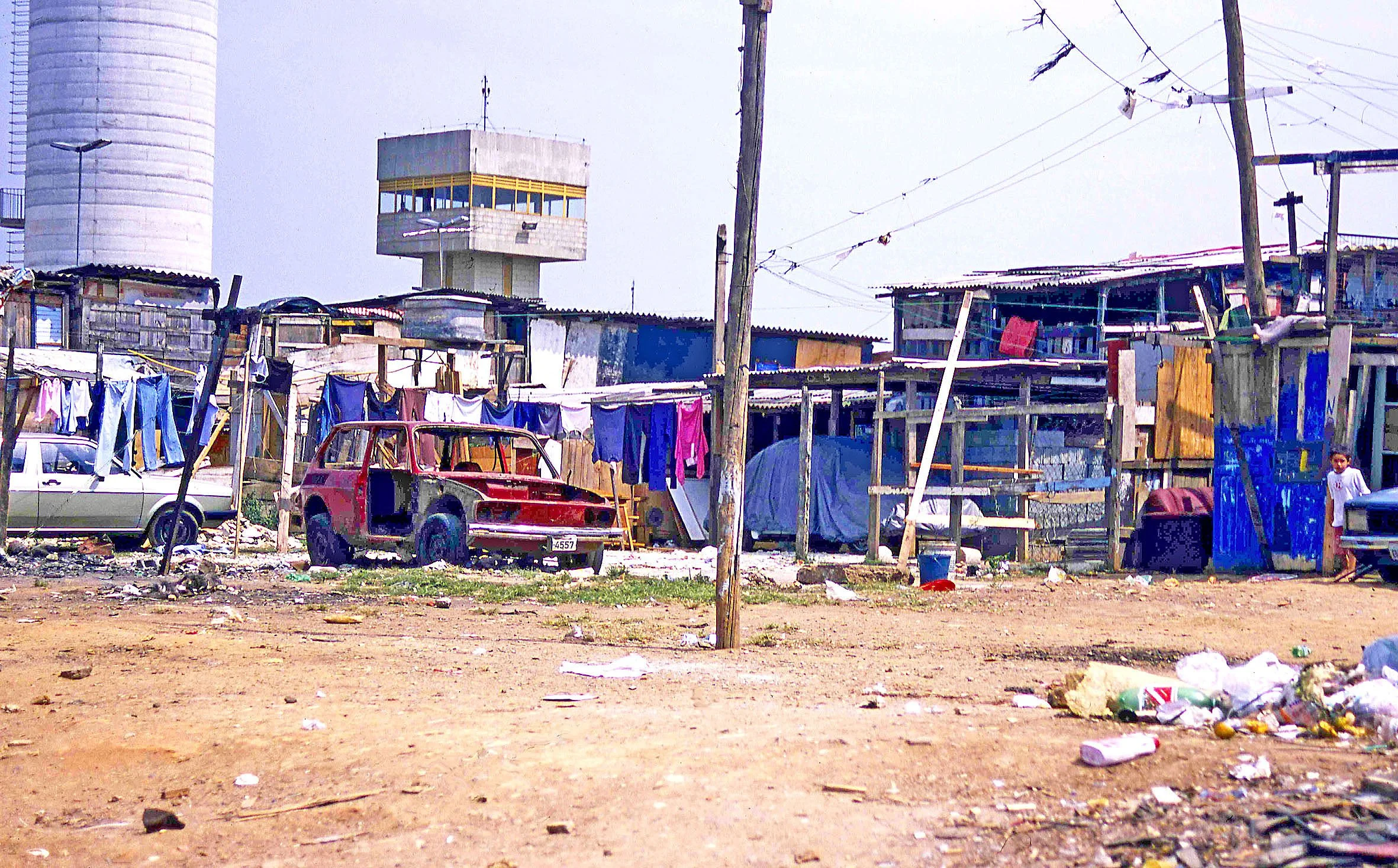
By any measure in the turbulent history of Brasilian politics, the events of this week have been momentous. The ex-President Bolsonaro and six of his top military allies, including an Admiral and a General, have been given lengthy prison sentences for their criminal conspiracy to overthrow the democratically elected government, a plot that included a plan to assassinate Lula and members of the judiciary. The initial appeal process has expired and they now face over twenty years in jail. There will no doubt be a flurry of further appeals, with claims that the sentences are extreme, or that the accused are too old and frail, although apparently not sick enough to engage in insurrection. The majority of the population is celebrating the fact that democracy and the rule of law have prevailed. Compared with the São Paulo prison in the photo, where most of the inmates are poor, black and packed twenty to a room, a hell hole surrounded by a shanty town that I visited back in 2002, Bolsonaro and his fellow criminals will enjoy well-furnished single cells with a fridge, TV, and private bathroom. His fate was sealed by an act of utter stupidity last weekend, when ‘curious to see how it worked’, he tried to remove his electronic ankle bracelet with a soldering iron. His lawyers claimed that he was suffering from paranoid hallucinations induced by his medication. Reactionary to the core, he and his fellow authoritarians are famous for their violent rhetoric against the prison population. After the 1992 Carandiru prison massacre in which 111 prisoners were murdered, he pronounced, “Only a few died, the military police should have killed a thousand.” More recently he offered the profound insight that, “Criminals should rot in jail. If jail is a bad place, don't do anything stupid and you won't end up there. Let's put an end to this business of feeling sorry for prisoners. Those who are there deserve it.” Exactly. It is then somewhat comical that his fanatical supporters have suddenly discovered an interest in the human rights and living conditions of the incarcerated. One of my many unfinished projects is an essay on the history of prisons and prison literature, Panopticons and Gulags, Primo Levi and Solzhenitsyn. So, I now wait in fevered anticipation for the release of Bolsonaro’s “Prison Diaries.” He will have plenty of time for research, and I can’t help thinking that Angela Davis’, If They Come in the Morning: Voices of Resistance, would be an excellent place to start.