Modern Ministry
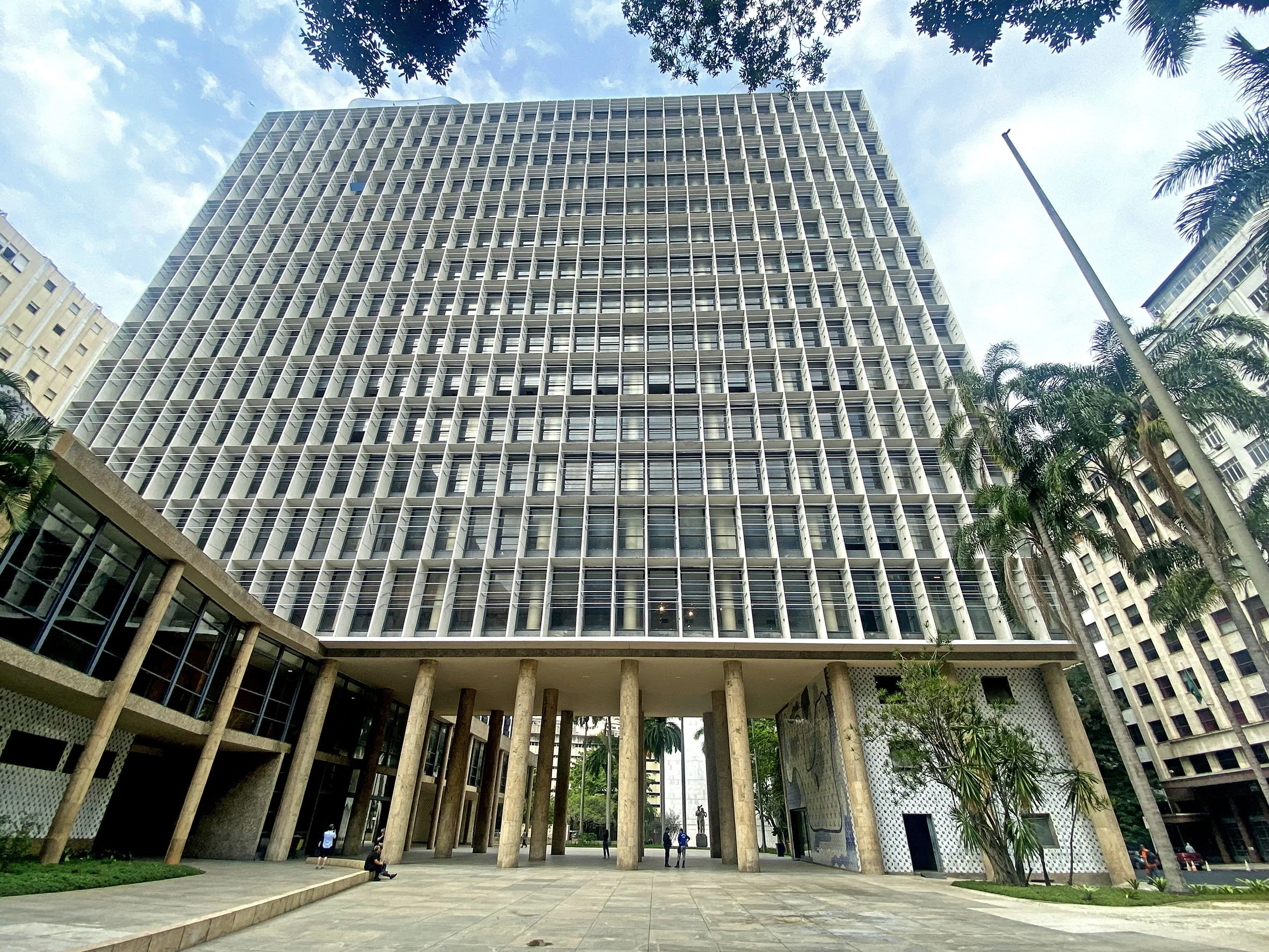
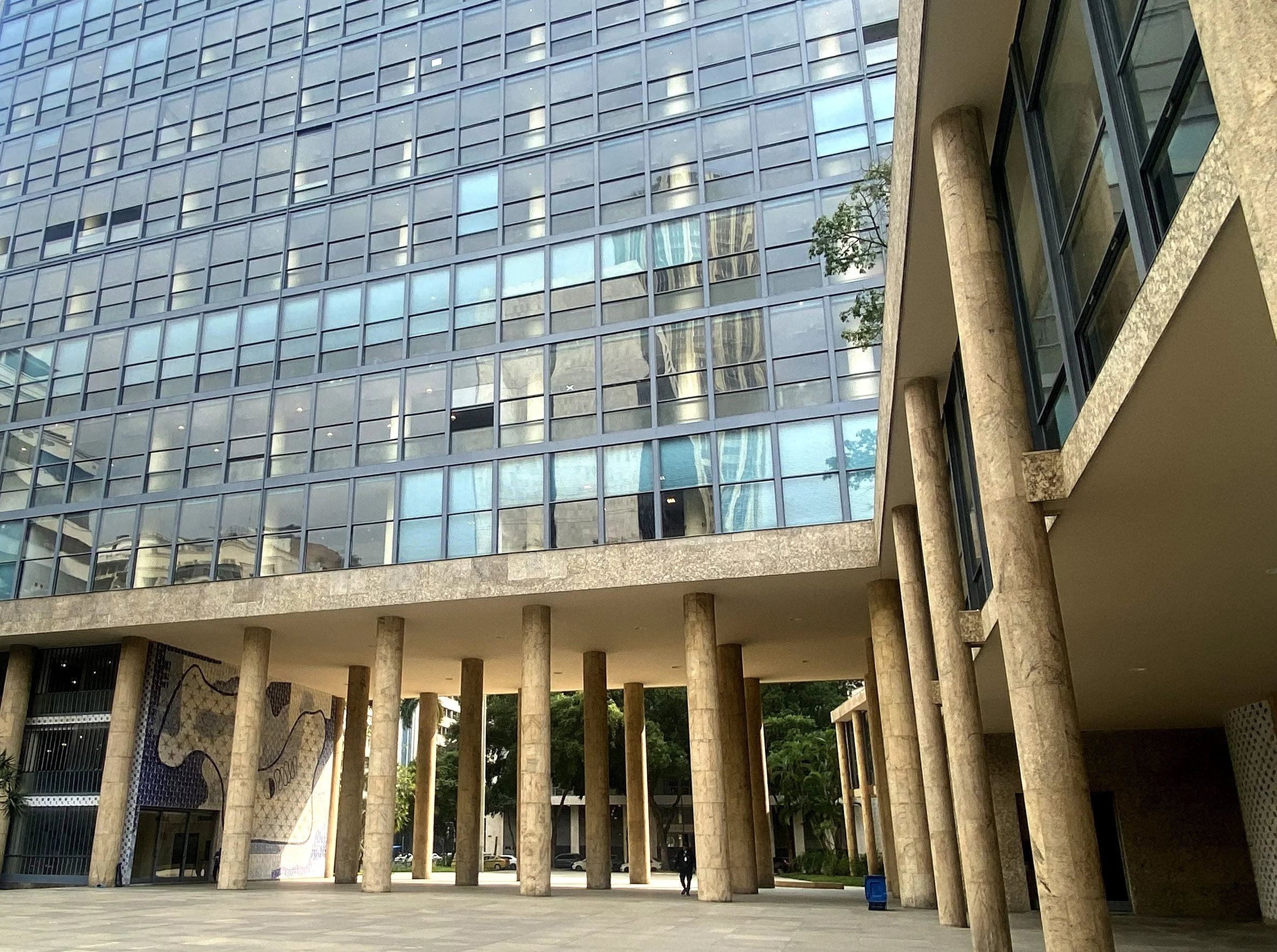
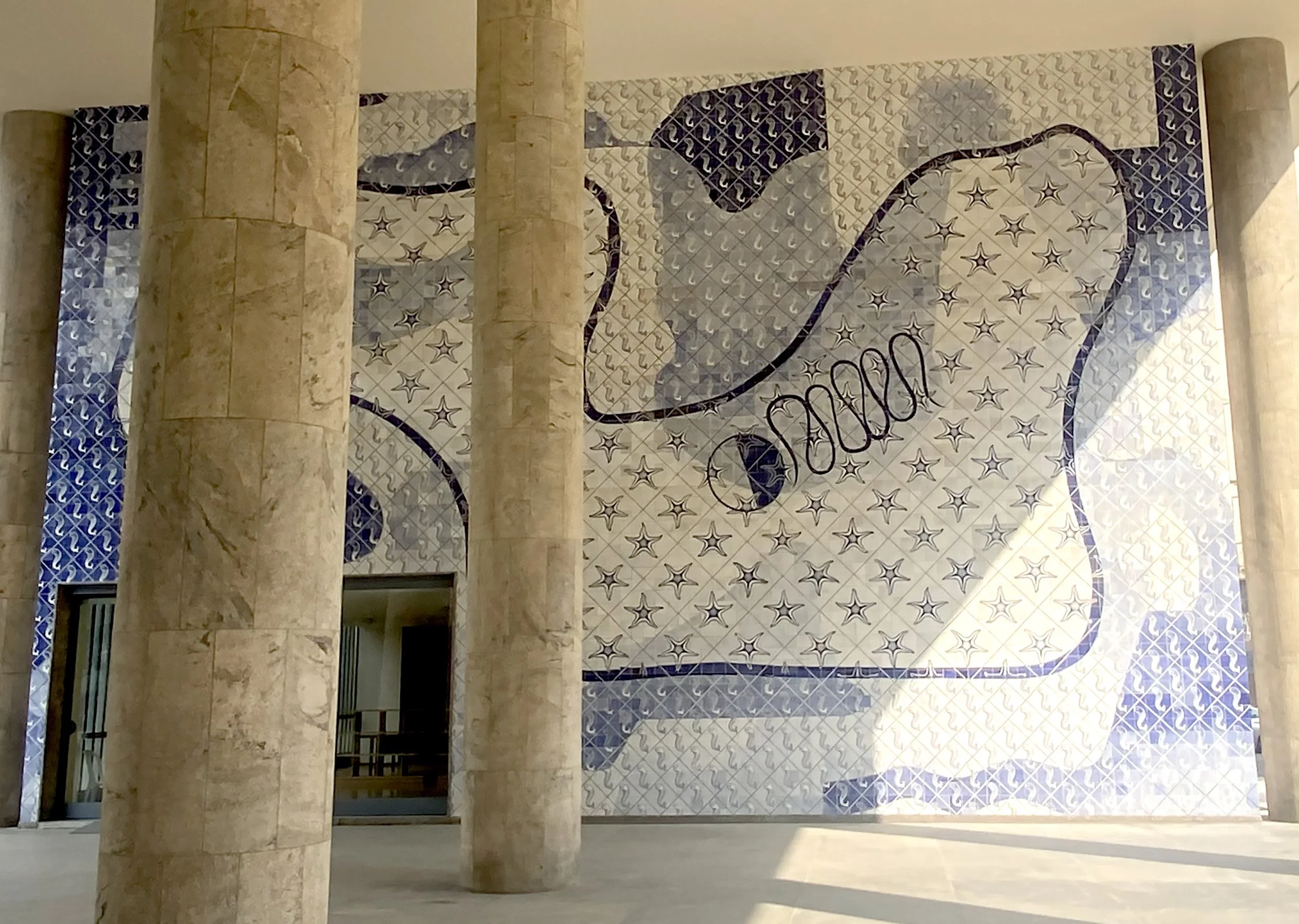

The Ministry of Education and Health (1937-43) in Rio de Janeiro is one of the jewels of Brazilian modernism. Commissioned by Getulio Vargas, an authoritarian populist who seized power in 1937 and immediately banned all opposition parties, it was designed by a modernist dream team that included amongst others Oscar Niemeyer, Lucio Costa, Afonso Reidy, and in a consultative role, Le Corbusier. Set in a Burle Marx garden the monumental fourteen storey tower rises above a public piazza decorated with Portinari’s blue and white mosaics. Elevated on double height columns that mimic the splendour of the Royal Palm, it was the first building in Brasil to use a curtain wall. Ridiculed by the Brazilian press when it was first unveiled, it was celebrated in foreign journals such as the New York Times as “the most beautiful government building in the western hemisphere.” For many years I lectured on the history of the modern city. One of my principal areas of interest was the European avant-gardes of the 1920s and the ideological counter revolutions that accompanied the consolidation of dictatorship in 1930s Germany, Italy, Spain, and the USSR. With the exception of the early years of the fascist regime in Italy that was internationalist in character and embraced modern architecture, all other dictatorial regimes launched a sustained and violent attack on the modern movement and retreated into imperial architectural fantasies. It is perhaps a surprise then that Vargas turned to modernism for his showcase Ministry building. Rather than call on the Academy that was still wallowing in neoclassical fictions, he openly courted modernist architects to give a public face to his Estado Novo dictatorship. Central to the New State, was education, and the phrase, “Teaching is the substance of public salvation,” is inscribed in the entrance foyer. With an emphasis on religion and physical discipline, the Vargas regime aimed to create a “new Brazilian citizen,” fiercely nationalistic, patriotic, loyal to the regime and hostile to “subversive communist ideas.” Recently restored, it is open for visits. Catch it while you can. In a world where right wing governments are openly attacking intellectual culture and the whole principle of public education, its future can not be guaranteed. In one of Loyola Brandão’s dystopian visions of Brazil, Nothing Will Remain of This Earth, Except the Wind That Blows Over It, a degenerate government abandons the idea of a national teaching programme and builds a monument to “commemorate the end of education” on top of the ruins of the Vargas Ministry.[1]
[1] Brandão, Ignácio de Loyala, Desta Terra Nada Vai Sobrar, A Nao Ser O Vento Que Sopra Sobre Ela, (Global Editora; São Paulo, 2018), p49